 Controlling moisture in your home is the most effective way to prevent mold and mildew. These fungi thrive in damp environments, and without adequate moisture control, they can cause structural damage to your home, diminish indoor air quality, and pose health risks to your family. By identifying potential moisture sources and implementing preventive measures, you can maintain a safe and mold-free living space.
Effective Vero Beach FL Mold Remediation and Moisture Control
Excess moisture can lead to: – The growth of mold and mildew on walls, ceilings, carpets, and furniture. – Respiratory issues, allergies, and other health problems due to mold spores in the air. – Damage to building materials, resulting in costly repairs. – Unpleasant odors that can permeate your home.
Effective Mold Remediation Vero Beach FL: Tips to Prevent Indoor Moisture Buildup
- Use exhaust fans in high-moisture areas such as bathrooms, kitchens, and laundry rooms.
- Open windows periodically to allow fresh air to circulate, especially in humid areas.
- Avoid overcrowding furniture against walls to promote airflow.
- Inspect plumbing systems for leaks under sinks, around toilets, and water heaters.
- Seal gaps around windows, doors, and roof flashing to prevent water intrusion.
- Repair damaged gutters and downspouts to ensure proper drainage away from your home’s foundation.
- Keep indoor humidity levels below 50%, ideally between 30%-50%.
- Use a hygrometer to monitor humidity levels in problem areas.
- Invest in a dehumidifier if your home tends to retain excess moisture, particularly in basements or crawl spaces.
- Apply water-resistant coatings or sealants to basement walls and floors.
- Use mold-resistant paint in areas prone to dampness, such as bathrooms.
- Ensure your roof is well-maintained and free of leaks.
Effective Mold Removal Vero Beach FL: Long-Term Moisture Management Strategies
| Problem Area | Recommended Solution |
| Bathroom | Install a high-capacity bathroom exhaust fan and wipe down wet surfaces after use. |
| Kitchen | Use a range hood that vents outside while cooking to reduce steam buildup. |
| Basement | Insulate cold water pipes to prevent condensation and install a sump pump if needed. |
| Windows | Check for condensation buildup and consider double-pane windows for insulation. |
Essential Maintenance Tips from a Mold Specialist in Vero Beach FL
- Inspect your home seasonally for signs of water damage or mold growth, such as discoloration or musty odors.
- Clean gutters regularly to prevent water from pooling near the foundation.
- Keep HVAC systems clean by replacing filters and ensuring proper drainage from air conditioning units.
By taking proactive steps to control moisture, you can protect your home from mold and mildew while also improving air quality and preserving the structural integrity of your property.
Understanding the Role of Mold Remediation Professionals Vero Beach FL in Preventing Mold Growth
Mold and mildew are more than just unsightly; they can pose serious health risks if left unchecked. Understanding the ideal conditions for their growth is crucial for prevention. By being aware of these conditions, homeowners can take proactive steps to protect their living spaces.
Key Factors That Promote Mold and Mildew Growth
- Moisture: Mold thrives in areas with high moisture levels, such as bathrooms, basements, or kitchens. Humidity levels above 60% create an environment conducive to mold development.
- Temperature: Mold typically grows in temperatures ranging from 60°F to 80°F, which aligns with the average temperature inside most homes.
- Lack of Ventilation: Poor airflow traps moisture and creates stagnant areas where mold can flourish.
- Organic Materials: Items like wood, drywall, fabric, and carpeting provide the nutrients mold needs to grow.
Common Areas of Concern
- High humidity from showers and baths makes bathrooms a prime location for mold growth. Surfaces like grout lines, shower curtains, and corners are common trouble spots.
- Steam from cooking or dishwashing can increase humidity levels in the kitchen. Leaky pipes under sinks or behind appliances also contribute to moisture buildup.
- These areas often experience higher humidity due to poor insulation or water seepage from underground sources.
- Poor ventilation combined with a leaky roof can introduce excess moisture into attics.
- Condensation on windows during colder months encourages mold growth on sills or frames.
How Environmental Conditions Contribute
| Factor | Impact on Mold Growth |
| High Humidity | Provides the necessary moisture for spores to thrive |
| Warm Temperatures | Encourages faster reproduction of mold spores |
| Poor Ventilation | Prevents evaporation of excess water and creates stagnant pockets |
| Organic Surfaces | Supplies food for colonies as they spread |
Practical Steps for Prevention
- Monitor indoor humidity using a hygrometer; aim to keep it below 50%. Use dehumidifiers if necessary.
- Ensure proper ventilation by utilizing exhaust fans in kitchens and bathrooms.
- Repair leaks promptly—this includes plumbing leaks under sinks, around pipes, or near fixtures.
- Inspect gutters regularly to prevent water pooling near your foundation.
- Use mold-resistant materials when renovating areas prone to dampness (e.g., bathroom tiles or drywall).
By addressing these conditions proactively, you not only reduce the potential health risks but also protect your home from structural damage caused by unchecked mold growth.
Effective Mold Removal Vero Beach FL: Common Sources You Need to Address
Mold and mildew thrive in environments with excessive moisture, poor ventilation, and organic materials to feed on. Identifying and addressing common sources of mold in your home is crucial for maintaining a healthy living environment. Below are some of the most frequent culprits that contribute to mold growth, along with actionable steps to mitigate these risks.
1. Leaking Pipes or Plumbing Issues
- Why It’s a Problem: Persistent water leaks from pipes, faucets, or plumbing fixtures create an ideal breeding ground for mold.
- Regularly inspect pipes under sinks, behind appliances, and in basements for leaks.
- Use pipe insulation to prevent condensation buildup on cold water lines.
- Repair leaking pipes immediately to stop moisture accumulation.
2. Poor Ventilation
- Why It’s a Problem: Stagnant air traps moisture, especially in areas like bathrooms, kitchens, attics, and basements.
- Install exhaust fans in high-humidity areas such as bathrooms and kitchens.
- Open windows or use dehumidifiers if natural ventilation isn’t sufficient.
- Keep furniture away from walls to promote airflow.
3. Roof Leaks
- Why It’s a Problem: Water from roof leaks can seep into ceilings and walls, creating hidden pockets of moisture where mold can flourish.
- Inspect your roof regularly for damaged shingles or flashing.
- Clean gutters and downspouts to prevent water pooling near the foundation or roof edges.
- Address any leaks as soon as they are discovered.
4. Condensation on Windows
- Why It’s a Problem: Condensation forms when warm air meets cool surfaces like windows. This moisture can drip onto sills or walls, promoting mold growth over time.
- Use double-glazed windows or storm windows to reduce condensation buildup.
- Wipe away visible condensation daily during colder months.
- Ensure adequate insulation around window frames.
5. Damp Basements
- Why It’s a Problem: Basements often have higher humidity levels due to their proximity to the ground, making them prone to dampness and mold development.
- Install a sump pump if flooding is an issue.
- Seal foundation cracks with waterproof materials like epoxy resin or cement-based sealants.
- Run a dehumidifier regularly in the basement.
Table: High-Risk Areas for Mold Growth
| Area | Common Source of Moisture | Prevention Tips |
| Bathroom | Steam from showers | Use exhaust fans; wipe down surfaces |
| Kitchen | Cooking steam; dishwasher use | Ventilate; repair leaking appliances |
| Attic | Poor insulation; roof leaks | Inspect insulation; monitor humidity |
| Basement | Groundwater seepage | Install drain systems; run dehumidifiers |
Final Thoughts
By addressing these common sources of excess moisture proactively, you can significantly reduce the likelihood of mold colonies developing within your home. A combination of regular maintenance checks, good ventilation practices, and timely repairs will go a long way toward safeguarding your property against mold-related issues.
Effective and Safe Mold Inspection Vero Beach FL: What You Need to Know
Effectively cleaning mold and mildew requires a combination of the right techniques, tools, and safety precautions. Mold can pose serious health risks, especially for individuals with respiratory conditions or weakened immune systems. By following these steps, you can ensure thorough removal while protecting yourself and others in your home.
Safety Precautions Before You Begin
- Use gloves made of rubber, nitrile, or latex for hand protection.
- Wear an N95 respirator mask to avoid inhaling mold spores.
- Protect your eyes with safety goggles.
- Ventilate the Area: Open windows and use fans to increase airflow during cleaning. This helps prevent spore buildup in enclosed spaces.
- Seal Off Affected Areas: Use plastic sheeting or tape to isolate contaminated areas from the rest of your home.
Tools and Supplies Needed
| Item | Purpose | Recommended Option |
| Scrub Brushes | For removing visible mold | Medium-bristle brushes |
| Microfiber Cloths | Wiping surfaces | Reusable cloths or rags |
| Cleaning Solutions | Killing fungi | Vinegar/bleach (diluted) |
| Spray Bottles | Applying solutions evenly | BPA-free spray bottles |
| HEPA Vacuum Cleaner | Removing spores post-cleaning | Certified HEPA filter vacuums |
Step-by-Step Cleaning Process
- Assess the Mold Growth:
Check whether the problem is minor (e.g., small patches under 10 square feet) or extensive. For larger outbreaks, consult professionals. - For non-porous surfaces like tiles or glass, a mixture of water and bleach works effectively (1 cup bleach per gallon of water). Never mix bleach with ammonia-based products as it creates toxic gases.
- Alternatively, vinegar is a natural option that kills many types of mold without harsh chemicals.
- Spray the cleaning solution onto the moldy area.
- Gently scrub using circular motions until visible growth is removed.
- Avoid excessive force on fragile materials such as drywall.
- Dry Thoroughly:
Mold thrives in moisture—ensure all cleaned surfaces are completely dry by using fans or dehumidifiers. - Dispose of Contaminated Materials Properly:
Place any heavily infested items like carpet pieces or drywall into heavy-duty garbage bags before discarding them outside.
Tips for Long-Term Mold Prevention During Cleanup
- Replace porous items like fabrics or insulation if they remain contaminated after cleaning efforts.
- Monitor indoor humidity levels; ideally keep them below 50%. Dehumidifiers are useful in damp environments.
- Inspect ventilation systems regularly to ensure air exchange is adequate throughout your home.
By following these guidelines carefully, you can safely eliminate mold while reducing future risks of recurrence in your living space.
Effective Water Damage Restoration Vero Beach FL: Tips to Prevent Mold Growth
Effectively drying wet areas in your home is critical in preventing mold growth. Mold thrives in moist environments, and even small amounts of excess moisture can create the perfect breeding ground. Here’s a comprehensive guide to properly dry wet areas and maintain a mold-free home.
Act Quickly
The faster you address moisture issues, the less likely mold will grow. Mold can start forming within 24 to 48 hours after water exposure.
– Identify the Source: Determine where the moisture is coming from, whether it’s a leaky pipe, roof damage, or high humidity.
– Remove Standing Water: Use a wet/dry vacuum, mop, or towels to eliminate pooled water immediately.
Increase Ventilation
Proper airflow helps speed up the drying process while reducing humidity.
– Open Windows and Doors: Allow fresh air to circulate through the space.
– Use Fans: Position fans to direct airflow toward wet areas, helping to dry them more effectively.
– Install Exhaust Fans: In bathrooms, kitchens, and laundry rooms, ensure exhaust fans are in good working order to reduce moisture buildup.
Dehumidifiers
Using a dehumidifier can significantly reduce indoor humidity, making it harder for mold to thrive.
| Humidity Levels | Effect on Mold Growth | |—|—| | Below 50% | Minimizes the risk of mold growth | | Above 60% | Creates conditions favorable for mold |
Monitor the humidity levels in your home with a hygrometer, which is inexpensive and widely available.
Dry Absorbent Materials
Carpets, rugs, upholstery, and other absorbent materials that become wet should be addressed immediately to prevent mold colonization.
– Wash and Dry: Remove small rugs or cushions and wash them with detergent. Dry them completely before placing them back.
– Professional Cleaning: For larger items, such as wall-to-wall carpeting, consider professional cleaning services.
Use Desiccants
Desiccants, such as silica gel or activated charcoal, can absorb moisture in localized areas. These are especially useful for small, enclosed spaces like closets or storage bins.
Avoid Overwatering Indoor Plants
While plants are great for indoor air quality, overwatering them can create excess moisture and increase the risk of mold. Ensure pots have proper drainage and avoid letting water sit in trays beneath them.
Address Structural Issues
Persistent wet or damp areas may indicate structural problems that need repair.
– Fix Leaks: Repair leaking pipes, roofs, or windows.
– Seal Cracks: Inspect walls, floors, and basements for cracks that allow water infiltration.
Preventing mold growth ultimately begins with managing moisture effectively. By following these drying tips and staying vigilant about any potential sources of dampness, you can protect your home from the health hazards and structural damage associated with mold.
Effective Mold Remediation Vero Beach FL: When to Replace Your HVAC System to Prevent Mold
Your HVAC (heating, ventilation, and air conditioning) system plays a critical role in maintaining indoor air quality and regulating temperature. However, an aging or malfunctioning HVAC system can become a breeding ground for mold and mildew, leading to serious health risks and structural damage to your home. It is essential to recognize when your HVAC system requires replacement to mitigate these risks effectively. Below are key signs and considerations to help you determine whether it’s time to upgrade your system.
Signs Your HVAC System May Be Contributing to Mold Issues
- An HVAC system that fails to regulate indoor humidity effectively can create a perfect environment for mold growth. Indoor humidity levels above 60% are a common trigger for mold proliferation.
- Pay attention to rooms that feel damp or air that seems unusually sticky, as these could indicate your system is not functioning as intended.
- Musty or earthy odors circulating through your home may signal mold growth within HVAC ducts or components.
- If the smell intensifies when the system is running, it is likely the source is inside the HVAC system itself.
- Inspect vents, ductwork, and other accessible areas of the system for visible signs of mold or mildew.
- Discoloration on vents or near ducts is often a red flag that mold is present.
- Older systems that require constant repairs and exhibit declining energy efficiency may no longer be capable of maintaining proper airflow and ventilation, increasing moisture buildup.
- Weak airflow or uneven temperature distribution can exacerbate moisture accumulation, making certain areas of the home more susceptible to mold.
How a Failing HVAC System Leads to Mold Growth
| Issue | Effect on Mold Growth |
| Leaky Ductwork | Moisture infiltrates ducts, creating a damp environment. |
| Improper Sizing | Over- or undersized systems fail to regulate humidity. |
| Malfunctioning Dehumidifiers | Excess humidity remains unchecked, promoting mold growth. |
| Insufficient Filtration | Dust and debris accumulate, feeding mold spores. |
Addressing these issues with timely system replacement can help protect your home and health.
Benefits of Upgrading Your HVAC System to Avoid Mold
- Enhanced Humidity Control: Newer systems often include built-in dehumidification functions, reducing the likelihood of mold growth.
- Improved Air Filtration: Advanced filtration systems can capture mold spores and other allergens, improving indoor air quality.
- Energy Efficiency: Modern systems use less energy while maintaining optimal airflow and temperature, preventing excess moisture accumulation.
- Smart Technology Integration: Many new systems allow for smart control of humidity and temperature via mobile devices, ensuring optimal conditions at all times.
When to Consult a Professional
If you suspect your HVAC system is contributing to mold issues, consult a licensed HVAC technician to assess the system’s condition. A professional inspection can help determine whether repairs are sufficient or if replacement is necessary.
Regular maintenance of your HVAC system, including changing filters and cleaning ducts, can also go a long way in preventing mold-related problems before they occur. Investing in the right system upgrade at the right time will ensure healthier air quality and protect your home from costly damage caused by mold.
Comments closed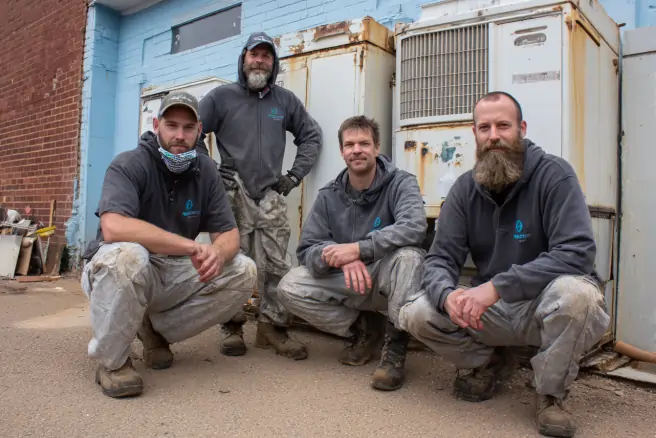 Mold growth in your home can be a serious problem, not just for the structure of your property but also for your health and safety. While it might be tempting to tackle mold removal on your own, hiring a professional for mold remediation offers several distinct advantages. Here’s why trusting an expert is often the best decision for managing mold in your home.
 Mold remediation is a critical process that requires expertise and specialized equipment. Proper removal of mold is not only necessary for maintaining the structural integrity of your home but also for safeguarding the health of its occupants. Hiring a professional mold remediation specialist ensures that the process is thorough, efficient, and compliant with industry standards. Below are key considerations to keep in mind when selecting a professional for this important task.
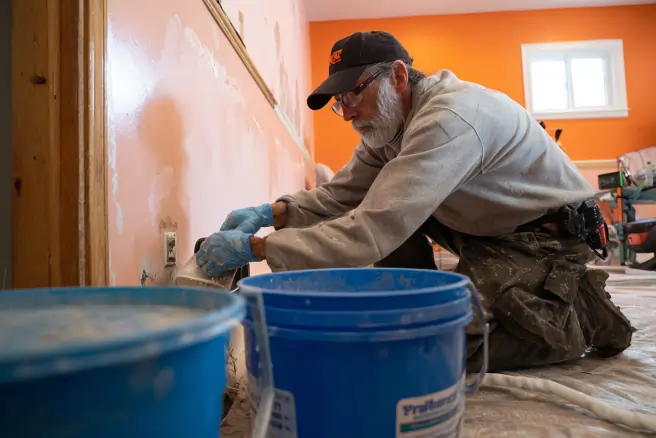 Mold can pose serious risks to both property and health, making its proper removal a critical task. While many homeowners may attempt to remediate mold themselves,
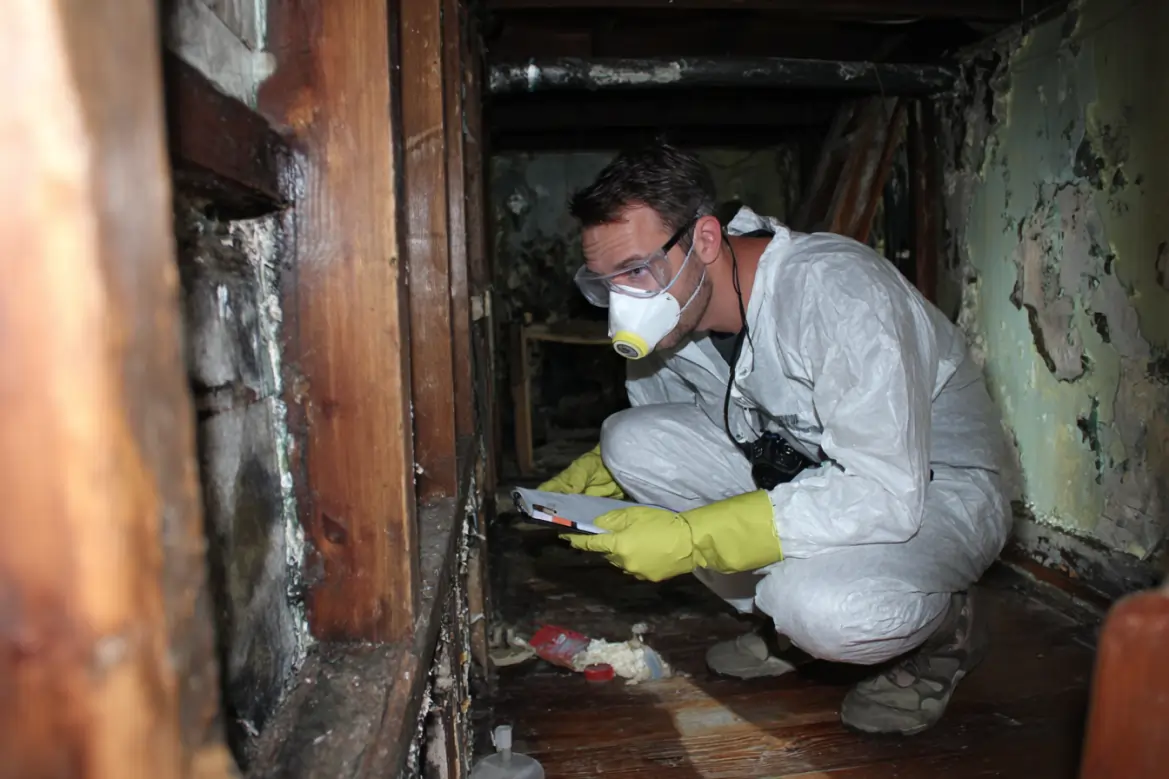 1. Inspection and Assessment